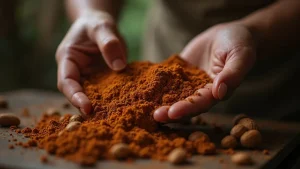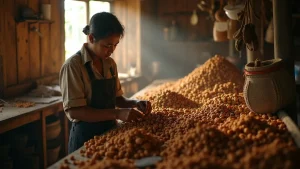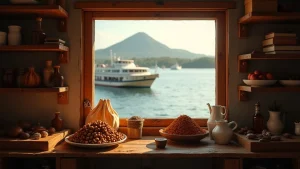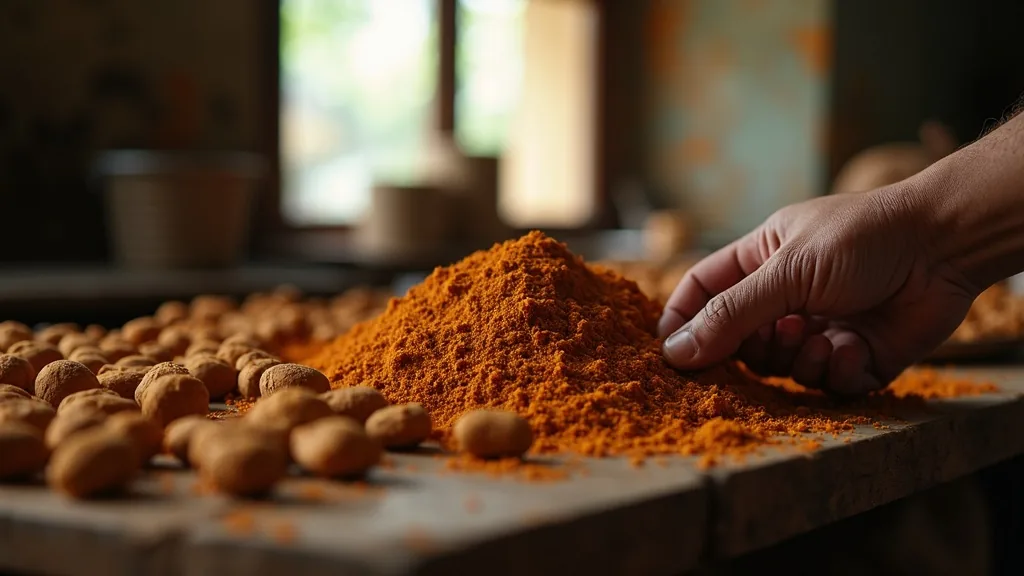
This Banda Neira food and culture guide covers what to actually eat, how meals are served, and which local customs matter once you step off the boat or plane from Ambon. In short: expect nutmeg-scented home cooking, smoked and grilled reef fish, sago and cassava staples borrowed from wider Maluku, and a quietly formal island etiquette shaped by centuries of Dutch, Bandanese, and Indonesian history layered on top of one another. None of it is staged for tourists, which is exactly why it rewards paying attention.
Why You Need a Banda Neira Food and Culture Guide Before You Travel
Banda Neira sits at an odd crossroads: it was the original source of nutmeg for most of recorded history, yet the spice barely defines everyday Bandanese cooking the way outsiders might expect. Nutmeg was the export crop the Dutch East India Company fought and colonized these islands for in the 17th century — it flavored Europe’s puddings and preserved meats, not necessarily the daily household plate. What you find on the table today is closer to broader Maluku cuisine: fish-forward, sago- and cassava-based, chili-heavy, with nutmeg appearing in specific, deliberate ways rather than in every dish. That contrast — a global spice landmark whose own kitchens use it sparingly — is one of the more interesting things a visitor notices once meals get more attention than monuments.
Geography shapes this too. Banda Neira is reachable only via Ambon, by short domestic flight or by Pelni passenger ferry (roughly eight hours by sea), so fresh produce is limited and staples like rice arrive by boat. Fish, coconut, cassava, and whatever grows on Banda Besar’s plantations fill the gap, and homestay meals are largely what the household would cook anyway.
Traditional Dishes to Try
Meals here are simple, fish-centered, and finished with local chili and lime rather than heavy sauces. A few dishes worth actively seeking out:
- Ikan asar — smoked tuna or skipjack, cured over a wood or coconut-husk fire. A Maluku-wide staple that appears in Banda Neira homestays and the morning market as often as fresh grilled fish.
- Colo-colo sambal — a raw relish of chopped chili, shallot, tomato, and lime, spooned generously over grilled fish rather than cooked down like a typical sambal.
- Papeda — a sago-starch porridge, usually paired with turmeric-and-lime fish soup. More central to Ambon and further east, but worth trying once for context.
- Manisan pala and sirup pala — candied nutmeg-fruit flesh and nutmeg syrup, made from the fruit surrounding the seed and mace. This is the dish most directly tied to Banda’s nutmeg heritage, sold fresh in the market and packaged to take home.
- Kenari nut cakes and snacks — the local canarium almond, used in cakes, roasted snacks, and as a salad garnish, with a texture closer to macadamia than almond.
This is home cooking sold through small warungs, homestays, and the town market — worth tasting more than photographing.
How Do Locals Eat, and What Should Visitors Expect?
Dining is informal but has its own rhythm. Homestays typically serve meals family-style at set times, so ask your host in the morning roughly when lunch and dinner will be ready. Portions are generous and rice-based, with fish, a vegetable side, and sambal as the default combination. Eating with the right hand is common in traditional settings, though cutlery is always offered without question — following local habits respectfully tends to be appreciated, not expected.
Hospitality runs deep: being offered tea, coffee, or a snack on arrival at someone’s home is standard, and it is polite to accept at least a little rather than declining outright. Fixed menus are rare outside a handful of guesthouses, so asking the price before ordering — especially for fish, priced by size and season — avoids awkward surprises. As of 2026, cash remains the practical default for most food purchases on the island; card infrastructure is still limited outside the main hotels.
What Cultural Customs Should Travelers Respect in Banda Neira?
Banda Neira’s culture carries the weight of an unusual history. The original Bandanese population was largely killed or displaced during the Dutch conquest of 1621, and the islands were subsequently repopulated with settlers and laborers from across the archipelago and beyond — part of why the town feels culturally layered rather than uniform today. A few practical points follow from that history and from everyday island life:
- Dress modestly away from the beach — Banda Neira has both Christian and Muslim communities living side by side, and casual beachwear near the town center or places of worship reads as out of place.
- Sundays are genuinely quiet in the main town, with church services shaping the morning; some shops and boat operators scale back, so plan errands and departures around this rather than assuming daily hours.
- Ask before photographing people, home interiors, or religious premises — it is a small island where most residents know each other, and an unannounced camera can feel intrusive even when no harm is meant.
- Greet elders first and keep an unhurried tone — island conversation pace is noticeably slower than Jakarta or Bali, and rushing a greeting can come across as brusque.
- Remove shoes when entering a home, as is standard across most of Indonesia, and wait to be invited to sit.
None of this is enforced on outsiders — it is simply the texture of daily life, and travelers who notice it tend to get warmer conversations in return. That, really, is the heart of any honest Banda Neira food and culture guide: the food and the etiquette are the same daily rhythm viewed from two angles.
Markets, Spices, and Where Food Meets Souvenirs
The small market near the Banda Neira waterfront is where food culture and nutmeg heritage visibly overlap. Vendors sell fresh fish alongside dried nutmeg, mace, cloves, and jars of manisan pala — one of the few places on the island where the spice trade that built (and nearly destroyed) Banda Neira continues in miniature, stall by stall. Banda’s nutmeg groves sit on Indonesia’s UNESCO World Heritage Tentative List as of 2026, recognized for their historical role in the global spice trade rather than as a functioning industrial export today; most nutmeg grown here now supports local use and the souvenir trade rather than mass shipment abroad.
For what to actually buy and which market stalls are worth prioritizing, our dedicated nutmeg souvenirs and markets guide goes deeper into that side of the trip. It is also the same nutmeg trade behind the well-known 1667 exchange where the Dutch ceded the tiny nutmeg island of Run to England in return for keeping New Amsterdam — today’s Manhattan — a piece of history our definitive Banda Neira tour guide ties back to what you can still see, taste, and buy on the ground.
Bringing Food and Culture Into Your Trip Plan
Food and culture are rarely the standalone reason people visit Banda Neira — most travelers arrive for the diving, Fort Belgica, or Gunung Api, and discover the culinary side almost by accident through homestay meals. Building even one market walk or one home-cooked meal into your itinerary tends to be remembered longer than another dive site. If you are still mapping the wider trip — how many days to spend, and where meals naturally fit around the forts and the volcano — our Definitive Banda Neira Tour Guide is the best starting point for structuring the full experience.
September to December and March to May remain the best windows for combining sightseeing with unhurried meals and market visits, since calmer seas also make inter-island boat transfers easier — worth factoring in, since a rushed itinerary leaves little room for the slower cultural side of a trip like this. Pair a morning at the nutmeg market with an afternoon fort visit and you have covered most of what this Banda Neira food and culture guide is built around.
Plan an Authentic Banda Neira Experience
Part of Juara Holding Group — operating from Bali across Indonesia since 2015 — our team can help build a Banda Neira itinerary that makes real room for food, markets, and local customs alongside the history and diving. Prices for homestay meals, guided market visits, and full packages vary by season and group size, so treat any figures you see as indicative starting points rather than fixed quotes until confirmed for your dates.
To ask about combining a food-and-culture-focused itinerary with your Banda Neira trip, reach out on WhatsApp at +62 811-3941-4563 or email [email protected] — we are happy to walk through options honestly, including what is realistic for your travel dates and budget.