

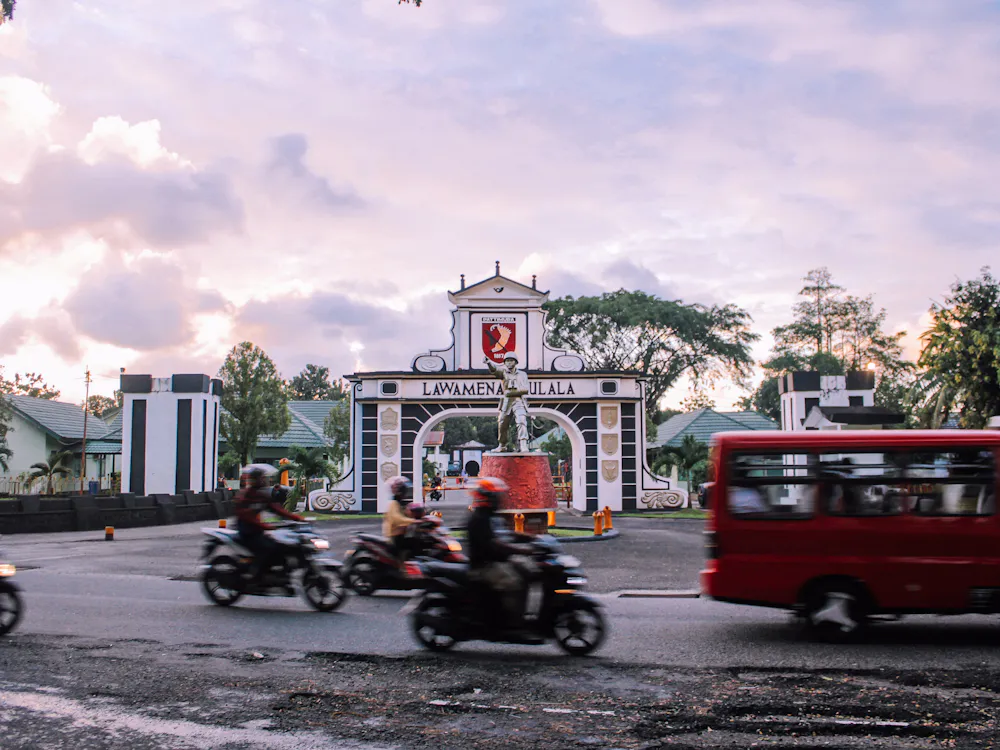
Forts & heritage walk
Belgica, Nassau and the VOC-era town.
Provenance · the spice trade
For centuries every nutmeg and every blade of mace on earth came from these islands. That single fact built the forts, moved the fleets, and once made Run worth trading to the British for Manhattan.
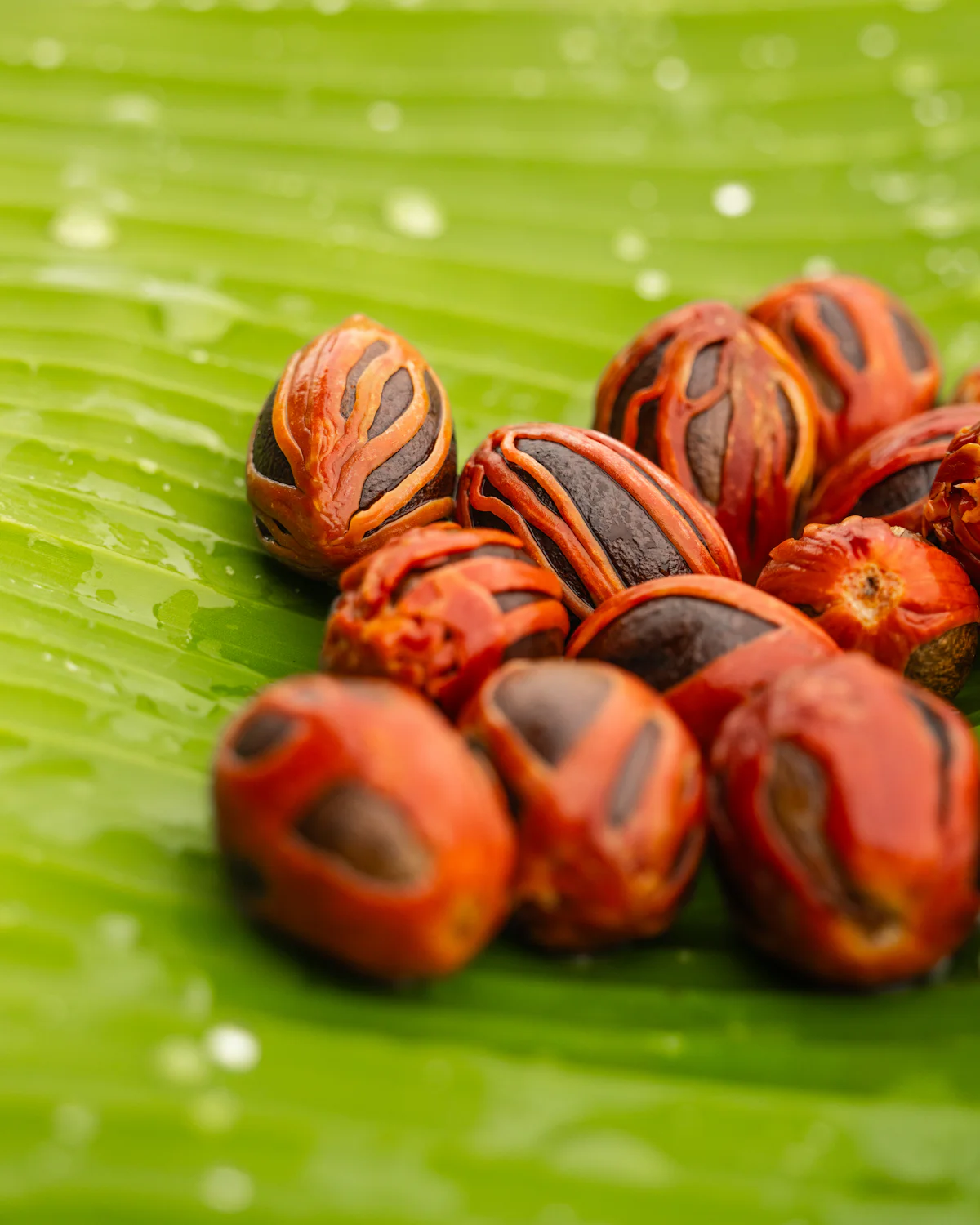
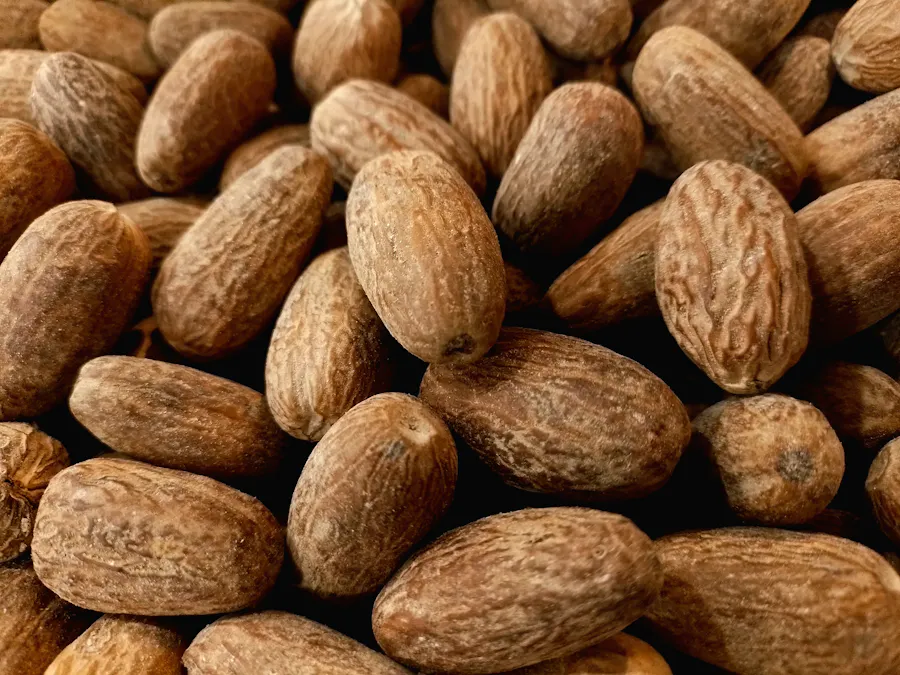
Nutmeg and mace come from the same fruit of the Myristica tree — the seed and the crimson aril wrapped around it — and for most of recorded trade history the Banda Islands were the only place that tree grew.
The trade
Nutmeg reached Europe through a long chain of intermediaries who did not know, or would not say, where it came from. When the Portuguese and then the Dutch traced it to the Banda Islands, the consequence was not a trading post. It was occupation.
The Dutch East India Company took control in the early 17th century and held it with the forts above the town. Under the perkenier system the groves were parcelled out to Company planters, and the islands were run as a single agricultural monopoly for nearly two hundred years.
The most famous transaction in that story is the Treaty of Breda in 1667, in which the English gave up Run — a nutmeg island barely three kilometres long — and kept New Amsterdam instead. The Dutch thought they had the better half of the deal.
On an estate visit
A working perkenier estate on Banda Besar, ten to fifteen minutes across the Sonegat. Half a day, with a guide who has usually grown up in it.
01
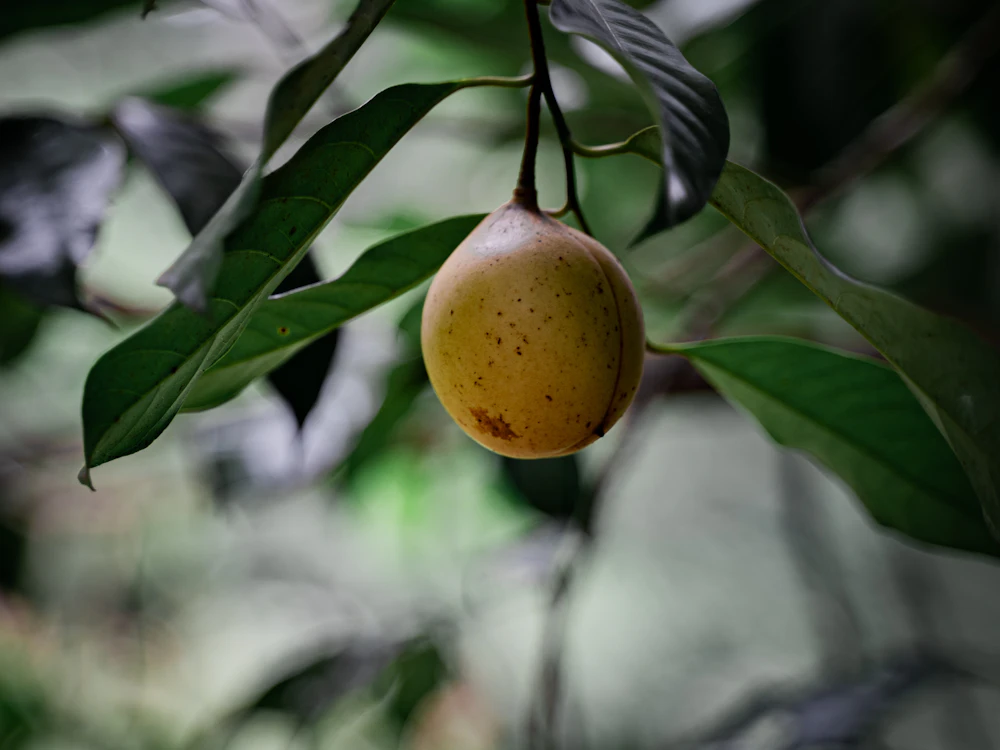
Tall shade trees over the nutmeg, because the trees will not take full sun. Some of the canopy here is older than the buildings in town.
02
The yellow fruit opens to the crimson mace wrapped around a dark seed. It is the single image that explains the whole history, and you get to do it yourself.
03
Mace separated and laid out; nutmeg dried in the shell for weeks until the kernel rattles. Both done on racks and mats, largely as they always were.
04
Sorted by size and quality, then sold on — and a portion of it turns up in the local cooking and in the jam on your breakfast table.
The estate walk is normally booked as a half-day, and pairs naturally with Fort Belgica in the same day.
Because the Myristica tree is indigenous to them and, for most of recorded trade history, grew nowhere else. A spice that only one small archipelago could supply is what turns a crop into a monopoly.
It was the administrative centre of that monopoly. The forts, the warehouses, the governor's house and the colonial town all exist because the trade was run from here.
Yes, on Banda Besar and on Run, among others, and they are visitable. A plantation walk is a standard half-day on most itineraries.
Because for a long stretch of history that is what they were — not one source among several, but the source. The name predates tourism by about four hundred years.
Next in this silo
Belgica, Nassau and the VOC-era town.
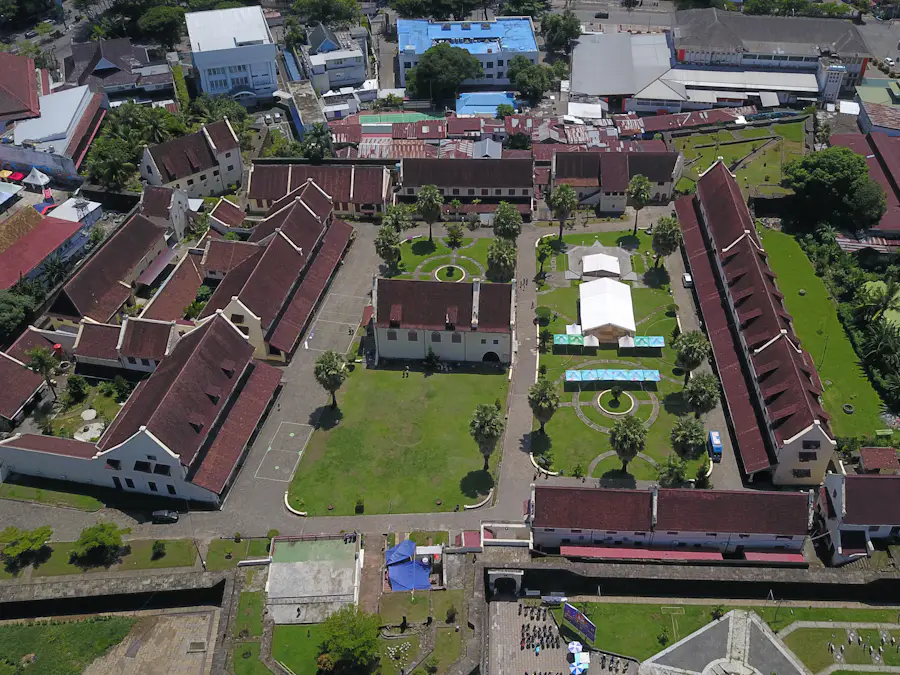
The oldest groves on Banda Besar, plus Belgica and Nassau.
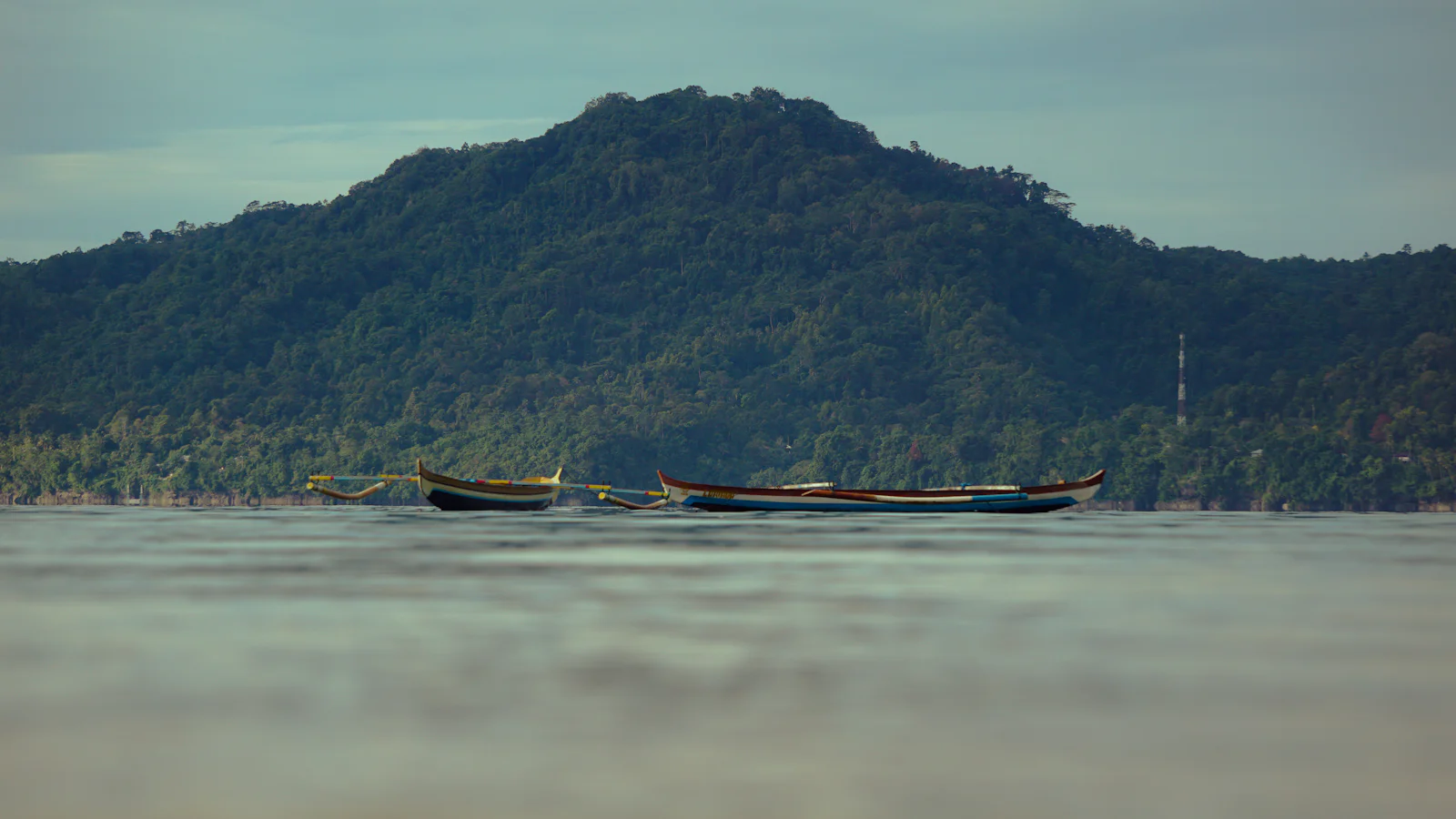
Run, Ai, Hatta and Banda Besar by boat.
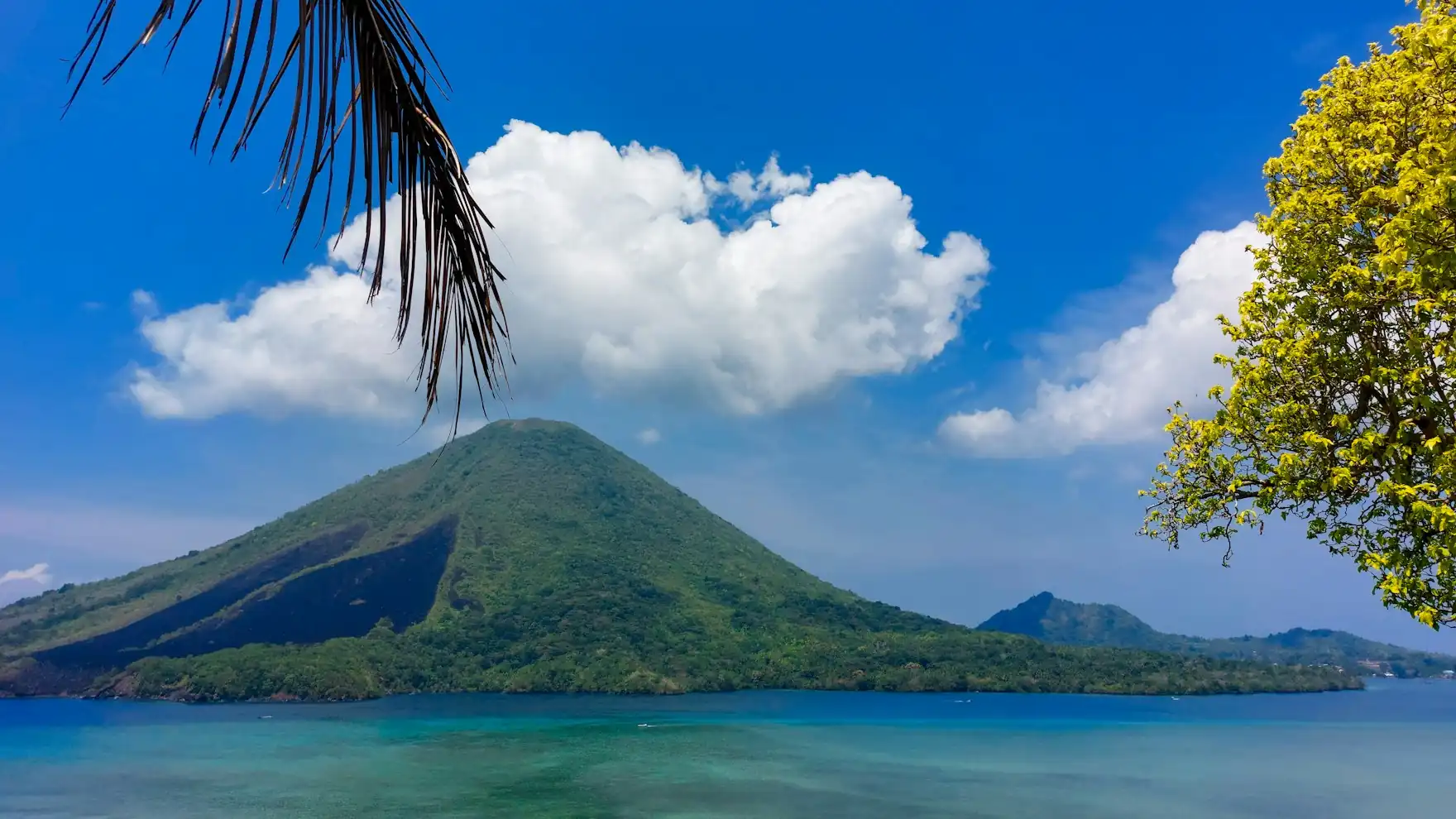
History, logistics and what a Banda trip involves.
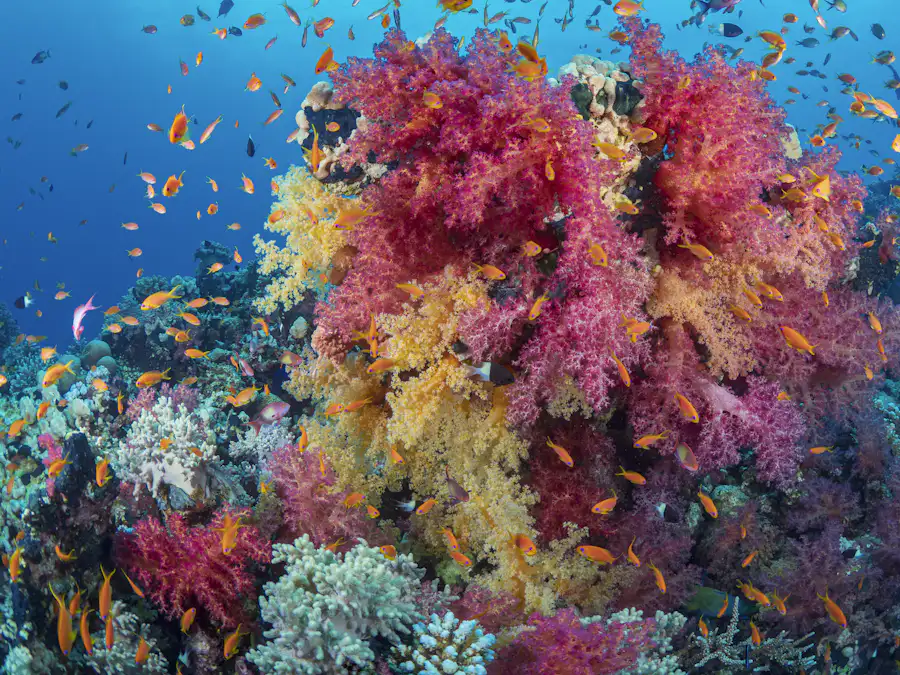
Adds Banda Besar, Ai and a full day under water.
Plan your trip
Half a day on Banda Besar with a guide who grew up in the trade, paired with Fort Belgica in the same day if you want the whole story at once.
Fastest reply is WhatsApp. No spam, and we do not sell your details.