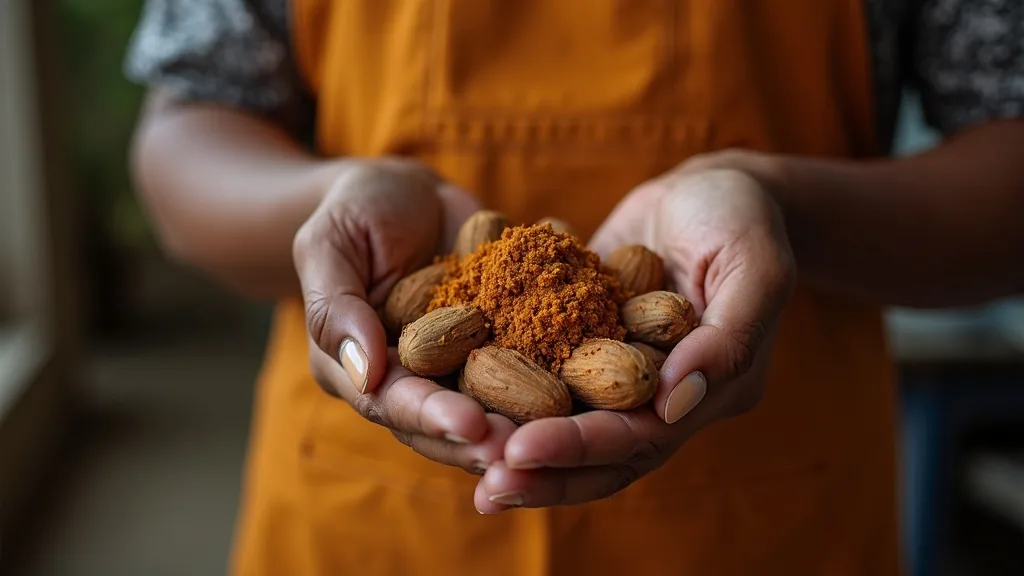
– The Banda Islands were integral to the global nutmeg trade in the 16th and 17th centuries.
– The Dutch East India Company dominated the islands during the colonial era, leading to significant socio-economic changes.
– Historical sites reflect the islands’ diverse colonial past, with remnants of forts and plantations still visible today.
The aroma of nutmeg, a spice once valued more than gold, lingers in the air of Banda Neira. As you explore its shores, the rich history unfolds through the remnants of empires that fought for control over these islands.
What is the history of the Banda Islands?
The history of the Banda Islands is intricately tied to the spice trade, particularly the coveted nutmeg. The islands were first inhabited by the Austronesian peoples, but it was the arrival of European powers in the 16th century that marked a significant shift. The Portuguese were the first to establish a foothold, followed by the Dutch, who, through the Dutch East India Company (VOC), sought to monopolize the nutmeg trade. The islands were not only a source of wealth but also a battleground for competing empires. The Dutch ultimately gained control in the 1620s after a brutal campaign, including the massacre of indigenous populations, to secure their monopoly. By the 18th century, Banda Neira had become a critical hub in the global spice trade, influencing Maluku history profoundly.
Why were the Banda Islands so important to world trade?
The Banda Islands were vital to world trade due to their exclusive production of nutmeg and mace, spices that were in high demand in Europe. At one point, nutmeg was worth more than gold, making the islands a strategic asset for colonial powers. The spice trade contributed significantly to the wealth of the Dutch East India Company, influencing global economics. The islands served as a key trading post, facilitating the exchange of goods between Asia and Europe. The introduction of plantations further intensified the islands’ economic importance, with nutmeg becoming a symbol of prosperity and conflict in Maluku history.
Who controlled Banda Neira during the colonial era?
During the colonial era, Banda Neira was primarily under the control of the Dutch East India Company (VOC). Following the massacre of the Banda people in 1621, the Dutch established a rigorous plantation system, which became the backbone of their spice monopoly. The colonial government implemented strict regulations governing the nutmeg trade, severely limiting indigenous participation. By the late 18th century, Dutch control waned as local resistance grew, leading to changes in governance. The historical impact of this colonial period is evident in the architecture and cultural remnants found in Banda Neira today.
What historical sites should I see in Banda Neira?
Banda Neira is home to several historical sites that reflect its rich colonial past. One notable site is Fort Belgica, built by the Portuguese in 1611 and later expanded by the Dutch. This fortress offers panoramic views of the surrounding islands and serves as a reminder of the strategic importance of Banda Neira. The remnants of the nutmeg plantations can also be explored, where visitors can learn about the spice trade’s history. Another significant site is the Dutch Cemetery, which houses graves of VOC officials and provides insight into the colonial era’s demographics. Additionally, the Banda Museum showcases artifacts and exhibits detailing the archipelago’s history, making it a must-visit for history enthusiasts.
For those interested in diving into the underwater history of the region, the nearby coral reefs and wrecks offer another layer of exploration, highlighting the maritime significance of the Banda Islands.
How to plan a visit to Banda Neira?
Planning a visit to Banda Neira involves understanding how to access this remote archipelago. The main point of entry is via Ambon, from where travelers can take a flight to Banda Neira, which is approximately 80 km away. Flights are available several times a week, and the journey takes about 40 minutes. Once on the island, transportation options include local boats and rental scooters for exploring the area. Accommodation ranges from guesthouses to more upscale options, with prices typically between $30 to $100 per night (IDR 450,000 to IDR 1,500,000). The best time to visit is during the dry season from April to November, ensuring pleasant weather for exploration.
For more information on travel logistics and attractions, check out Indonesia.travel or UNESCO.
As you explore Banda Neira, consider the legacy of the spice trade and its enduring impact on the region. For a more comprehensive understanding of the islands and to plan your visit, contact the team to help organize your Banda Neira tour and explore the rich history that awaits.
Planning specifics? See see current rates or booking details.