- Home to significant remnants of Dutch colonial architecture.
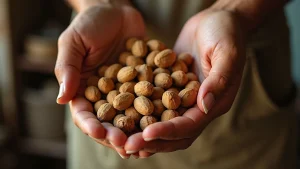
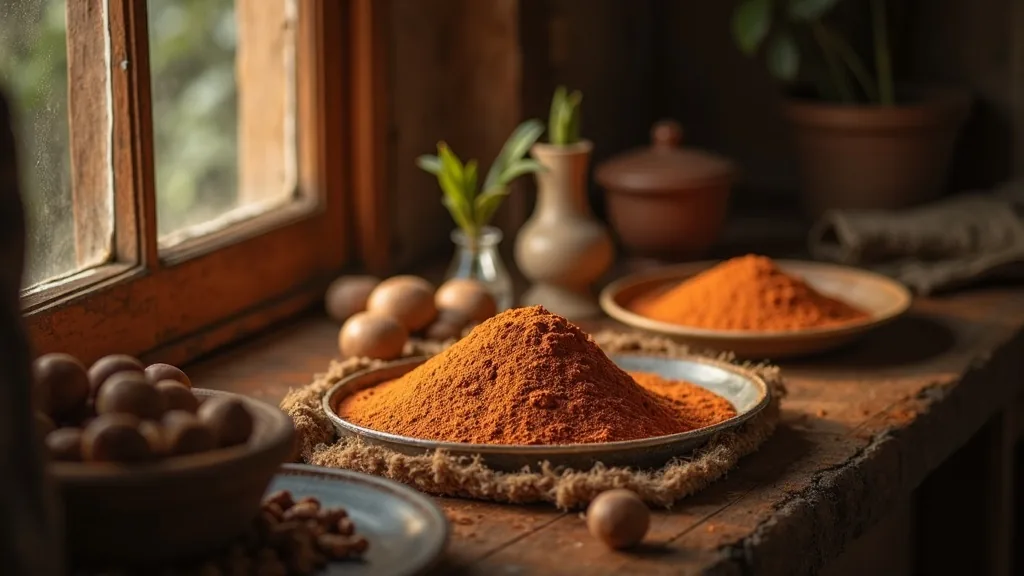
- Rich in nutmeg trade history, pivotal to global spice markets.
- Unique opportunity to explore forts and museums detailing the island’s past.
The warm, salty air envelops you as you walk along the narrow streets of Banda Neira, where each building tells a story of colonial ambition and the fierce competition for spice trade.
Is Banda Neira good for history travelers?
Yes, Banda Neira is a prime destination for history travelers. Situated in the Banda Islands of Maluku, this small but historically significant island offers a fascinating glimpse into the age of exploration and colonialism. The island is marked by remnants of its colonial past, including forts, churches, and buildings dating back to the 17th century. With a population of about 2,000, Banda Neira invites visitors to explore its historical narrative, which is deeply intertwined with the spice trade that once shaped global economies.
What historical experiences are unique in Banda Neira?
Banda Neira is home to several unique historical experiences that set it apart from other destinations. Visitors can explore the fortifications such as Fort Belgica, which was constructed by the Dutch in 1611 and offers panoramic views of the surrounding islands. The island also features the historical Banda Neira Museum, which houses artifacts and exhibits related to the nutmeg trade and colonial history. Additionally, the remnants of the infamous Nutmeg Tree can be found in the area, symbolizing the wealth that once flowed from these islands. Guided tours often include visits to the notable colonial buildings, allowing travelers to step back in time and appreciate the island’s significance in the spice trade.
Can I do a self-guided history tour in Banda Neira?
Yes, a self-guided history tour in Banda Neira is entirely feasible. The island is compact, making it easy to navigate on foot or by renting a bicycle. Key historical sites, such as Fort Belgica and the old Dutch cemetery, are within walking distance of each other. Visitors can use informational pamphlets available at local guesthouses or download maps from tourism websites to assist in their exploration. For those interested in deeper historical context, online resources, such as the Indonesian tourism website Indonesia.travel, provide rich insights into Banda Neira’s past.
What makes Banda Neira important in world history?
Banda Neira holds significant importance in world history due to its central role in the spice trade during the 16th and 17th centuries. The island was the only source of nutmeg and mace, which led to fierce competition among European powers, particularly the Dutch and the British. This competition sparked conflicts and colonial exploits that shaped international trade routes. The Treaty of Breda in 1667, which transferred control of the Banda Islands from the British to the Dutch, is a pivotal moment in colonial history, marking the height of European imperial ambitions in the region. As such, Banda Neira not only reflects the economic motivations of imperialism but also the cultural exchanges that ensued from the spice trade.
What colonial sites can I visit in Banda Neira?
Banda Neira is dotted with numerous colonial sites that offer a glimpse into its past. Key sites include Fort Belgica, a bastion of Dutch power, and Fort Nassau, which served as a military post during the colonial era. Visitors can also explore the remnants of colonial architecture, such as the Anglican Church of St. George, built in 1835, and the Governor’s Residence, which showcases Dutch architectural influence. The island’s layout, with its historical buildings concentrated in a small area, makes it easy to visit multiple sites in a single day. Entry fees to some of these sites may vary, typically ranging from IDR 10,000 to IDR 50,000 (approximately USD 0.70 to 3.50).
What culinary experiences reflect Banda Neira’s history?
The culinary landscape of Banda Neira is deeply influenced by its history as a spice trade hub. Traditional dishes often feature nutmeg, which is a staple spice in local cuisine. Visitors can find local restaurants serving dishes like Soto Banda, a fragrant soup made with chicken and spices, often garnished with nutmeg. Additionally, the island’s seafood reflects its maritime heritage, with fresh catches prepared in traditional styles, showcasing a blend of native and colonial influences. Dining on the island also provides insights into the agricultural practices that evolved from the spice trade, particularly the cultivation of nutmeg and cloves.
For those planning a visit to Banda Neira, understanding its colonial past and the significance of the spice trade enhances the travel experience. A typical budget for a history tour may range from USD 30 to USD 80 per day, depending on accommodations and activities.
For more detailed travel insights, visit our homepage or explore our guides on history travel in Indonesia.
To plan your trip effectively, contact the team through our contact page for personalized assistance.
Planning specifics? See banda neira tour price guide budget mid range and private trip or Banda Neira Tour.