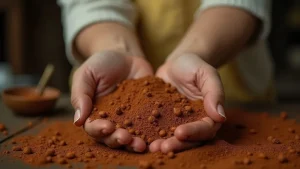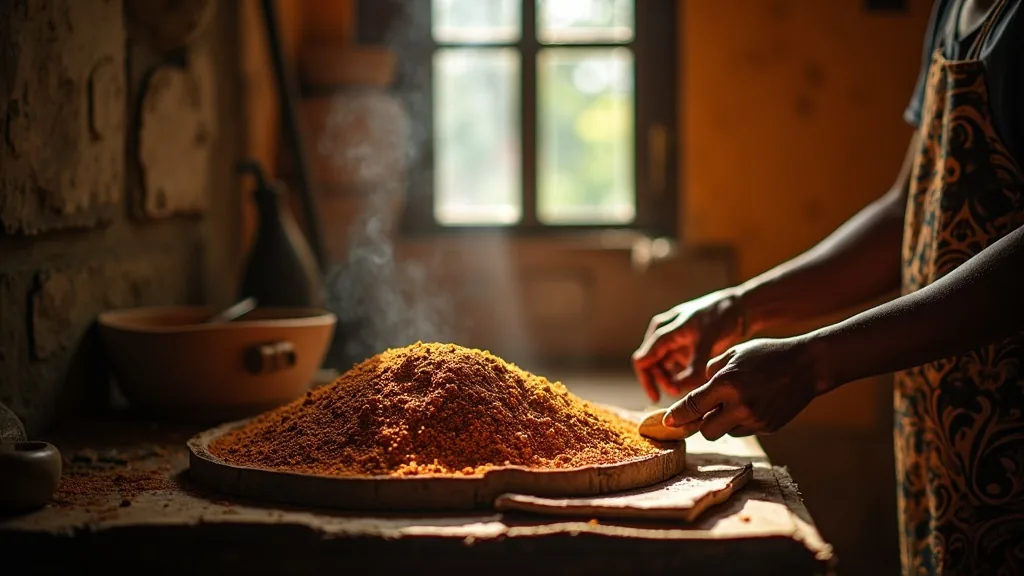
Community based tourism in Banda Neira means the majority of what a visitor spends — a room for the night, a home-cooked meal, a guided walk through a nutmeg grove — goes directly to a local family rather than to an outside hotel chain. In the Banda Islands, that model is not a marketing label; it is close to the default way most travelers already experience the islands, and it is one of the main reasons the reefs, the forts, and the nutmeg groves around Banda Neira are still worth visiting today.
What Is Community-Based Tourism in Banda Neira?
Community-based tourism in the Banda Islands refers to trips built around locally run homestays, family kitchens, and village-based guiding rather than large resorts or foreign-owned lodges. Because Banda Neira has never had mass tourism infrastructure — there is no international airport, no chain hotel, and only a handful of guesthouses across the whole archipelago — most visitor spending has always had to flow through local households almost by necessity. What has changed is that, as of 2026, more travelers are choosing this model deliberately, for the impact it has, rather than simply because it is the only option available.
This is a meaningfully different story from simply picking a place to sleep. For a practical comparison of neighborhoods, room types, and travel styles, see where to stay in Banda Neira. This article looks instead at what happens after the booking is made: who the money reaches, and what it protects.
How Do Homestays Support Local Families in Banda Neira?
A homestay in Banda Neira is usually a family’s own house, with one or two rooms set aside for guests and meals cooked in the same kitchen the household uses every day. The economic logic of this is straightforward: a payment made to an independently owned homestay is spent, saved, or reinvested by a resident family, rather than being channeled to a corporate head office elsewhere. In a place as small and remote as Banda Neira — a cluster of islands with a modest year-round population and no large industrial economy — tourism income of this kind reaches households in ways that are hard to replicate through any other sector.
In practical terms, that support shows up as:
- Steady off-season income for families who otherwise depend heavily on fishing or nutmeg harvest cycles
- Work for local guides, boat operators, and cooks who are trained informally through years of hosting visitors
- A reason for younger residents to stay connected to the islands rather than migrating to Ambon or further afield for work
- Direct cultural exchange — guests eating what the family eats, hearing family history from the people who lived it
None of this depends on large-scale investment. It depends on visitors choosing to stay with families instead of around them, which is the essence of how this kind of travel actually works in the Banda Islands.
Why Does Homestay Tourism Matter for Reef Conservation in Banda Neira?
Banda Neira’s coral, including the well-known drop-off at Lava Flow, is one of the main reasons travelers make the long trip via Ambon in the first place. That reef only stays worth visiting if the people living alongside it have an ongoing reason to protect rather than exploit it — and this is where the sustainability case for community based tourism in Banda Neira becomes concrete rather than aspirational.
When homestay families, boat operators, and snorkeling guides earn a living from guests wanting to see healthy coral and abundant reef fish, that income creates a direct incentive to keep the reef intact: an overfished or damaged site is worth less to the household than a protected one. This is a general pattern seen across small-island tourism economies in Indonesia, and it applies in the Banda Islands as much as anywhere — a family that guides snorkeling trips to Lava Flow benefits more, over time, from a reef that stays healthy than from one that is stripped for a single harvest. Keeping tourism revenue local and visible tends to reinforce that incentive far more directly than tourism income captured by outside operators with no lasting stake in the reef.
This is not a guarantee, and no honest operator should present it as one — reef health depends on many factors beyond tourism, including regional fishing pressure, water temperature, and broader marine policy. What can be said fairly is that a community that benefits economically from a reef staying healthy has a stronger, more durable reason to help protect it than a community that sees no benefit from tourism at all.
How Does Homestay Travel Connect to Banda Neira’s History and Culture?
Much of what draws travelers to Banda Neira is historical: Fort Belgica, the Dutch colonial fortress overlooking the town; the Rumah Budaya (cultural house) with its record of the nutmeg trade and the Banda massacre of 1621; and the extraordinary story of Run Island, the tiny nutmeg-producing island the Dutch accepted from the English in exchange for Manhattan under the 1667 Treaty of Breda. Nutmeg groves still tended by Banda families today are part of what has placed the islands on Indonesia’s UNESCO World Heritage tentative list for their nutmeg heritage — a nomination status, not yet a full inscription, as of 2026.
Staying with a homestay family keeps this history connected to the people who actually carry it forward. A guided walk through a nutmeg grove led by a family that has worked that land for generations, or a conversation over dinner about Fort Belgica with a host whose own ancestors lived through Banda’s colonial past, offers something a standalone museum visit cannot: living continuity between the historical record and the people still shaped by it. That continuity is itself a form of cultural preservation — keeping local knowledge, language, and craft skills in active use rather than only in archives.
What Does a Community-Based Trip to Banda Neira Actually Look Like?
In practice, a community-based itinerary in the Banda Islands tends to combine a small number of elements: a homestay base in Banda Neira town or a neighboring village, local boat transfers for snorkeling and island-hopping around Banda Besar, Ai, Hatta, and Run, guided visits to Fort Belgica and the Rumah Budaya, and meals taken with the host family rather than at a separate restaurant. It is a slower, more conversational style of travel than a resort stay, and it usually asks a little more flexibility from the traveler in exchange for a much more direct connection to the place.
For travelers who want this experience built into a structured, end-to-end trip rather than arranged piece by piece, see Banda Neira homestay and hotel tour packages, which lays out how these stays fit into complete multi-day itineraries.
How Do You Get to Banda Neira for a Community-Based Homestay Trip?
Every route to the Banda Islands runs through Ambon. From there, travelers connect by small propeller aircraft on the short flight to Banda Neira, or by the Pelni passenger ferry, a scenic but considerably slower option that typically takes around eight hours by sea. Because flight schedules are limited and seasonal, most operators — including community-based homestay networks — recommend building a buffer day into the itinerary on either side of the Ambon connection.
The best time to visit, both for sea conditions and for diving and snorkeling visibility, falls in two windows: September to December and March to May, when the seas around the islands are generally calmer and underwater visibility tends to be at its best. Travel outside these windows is possible but should be planned with more flexibility, since rougher seas can affect both boat transfers between islands and the smaller Banda Neira flight schedule.
Is Homestay Travel More Expensive Than a Standard Tour?
Not necessarily. Homestay rates in Banda Neira are generally set locally and are often comparable to, or lower than, the limited guesthouse alternatives on the islands, since there is very little large-hotel infrastructure to begin with. Any specific pricing should be treated as indicative only and confirmed directly for current dates, since rates, availability, and transport schedules can change from season to season — this is true of community based tourism in Banda Neira just as it is of any remote-island travel in Indonesia.
Plan a Community-Based Trip to Banda Neira
Supporting community-based tourism in Banda Neira does not require sacrificing comfort, structure, or a well-planned itinerary — it means choosing an operator that builds trips around local homestays and local guides rather than around itself. Banda Neira Tour is part of Juara Holding Group, operating from Bali across Indonesia since 2015, and we put together end-to-end Banda Islands itineraries that combine homestay stays, reef access, and Fort Belgica history routes into a single, properly sequenced trip.
To plan dates, confirm current homestay availability, or ask about combining Banda Neira with a wider Maluku or eastern Indonesia route, message us on WhatsApp at +62 811-3941-4563 or write to [email protected].