

Diving
Oct–Apr, and the outer walls specifically. Hammerhead schooling at Hatta and Ai peaks late September to November.
Season · weather, seas and diving
The calm window is Oct–Apr. The southeast monsoon, Jun–Aug, is when crossings cancel and the outer walls become unreachable. Everything else on this page follows from those two sentences.
Come between October and April. That is when the Banda Sea is flattest, when visibility holds up, when hammerheads school on the outer walls, and when the crossing from Ambon is most likely to actually run.
Month by month
Grouped rather than listed month by month, because the transitions matter more than the individual months. The homepage register gives the month-level detail.
| Window | Sea state | Visibility | What it suits |
|---|---|---|---|
| October – December | Calm returns, then settled | 18–30 m | Diving, outer islands, hammerhead season opening. Busiest in December. |
| January – March | Calm, occasional squalls | 18–30 m | Peak underwater conditions, and quieter than December. |
| April – May | Turning, then building swell | 12–25 m | The last dependable window, then Neira-only trips. |
| June – August | Southeast monsoon | 8–15 m | The town and the history. Not the water, and not a tight schedule. |
| September | Settling | 15–22 m | Good value, and the Ai wall is usually snorkellable again. |
Our honest field read, not a forecast. Patterns move year to year, which is why we check the current sea state rather than a calendar before confirming a boat day.
Month-by-month registerPlanning by interest
Oct–Apr, and the outer walls specifically. Hammerhead schooling at Hatta and Ai peaks late September to November.
Any month. The forts, the museum and the colonial quarter do not care about the sea, and the monsoon months are far quieter and cheaper.
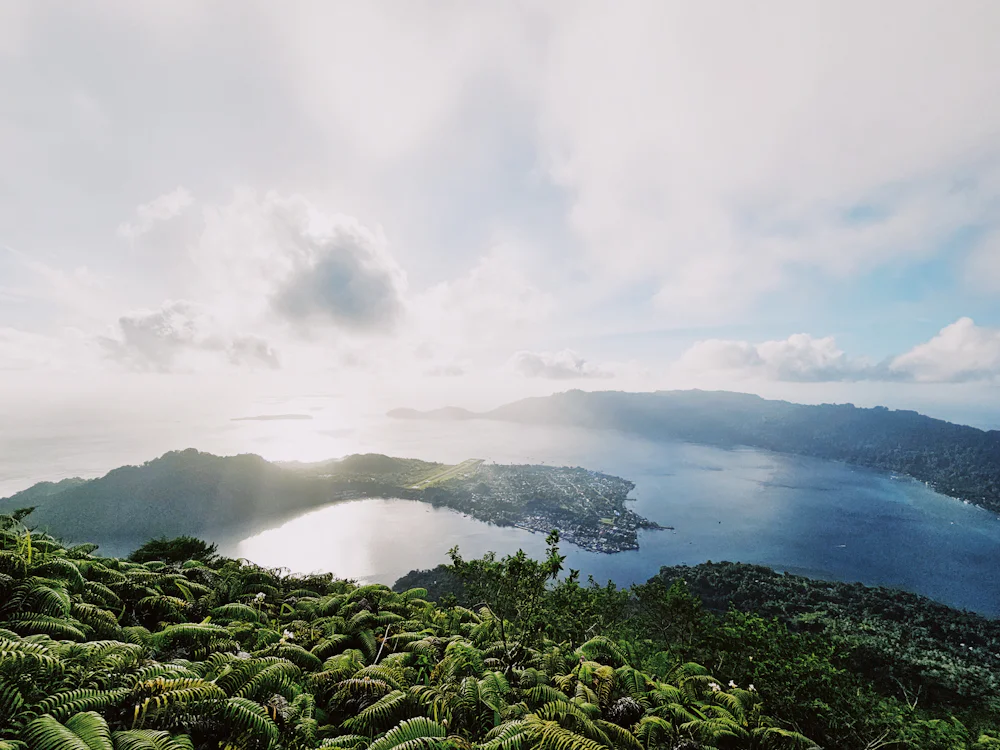
Calm-season mornings give the clearest rim views and the most stable footing, because the trail dries between rains.
September and the shoulder months. Rooms and boats are easier to get and the sea has usually settled enough for a boat day.
If your dates are fixed and they fall in the monsoon, the honest advice is to plan a town-and-forts trip and treat any water day as a bonus.
Oct–Apr. Calmest seas, best visibility, hammerhead schooling on the outer sites, and the highest chance the Ambon crossing runs on the day you planned it.
For the history, yes — it is quiet, the town is at its most normal, and rooms are easy. For diving or the outer islands, no. Jun–Aug is when crossings cancel and Hatta and Run are usually unreachable.
The calm window, and within it the hammerhead season at Hatta and Ai from roughly late September through April. Visibility of 18–28 m is typical and 30 m happens.
Months, for December and January. Beds in the colonial town are limited and charter seats from Ambon are few, so the constraint is availability rather than price.
Next in this silo
Flights, the Pelni ferry and the charter hop.

Sites, depths, levels and the best windows.
Run, Ai, Hatta and Banda Besar by boat.
3D2N, 4D3N and 5D4N shapes compared.
The pre-dawn summit route, and when it is sensible.
Plan your trip
Send the dates you are looking at. If they fall in the rough window we will say so plainly and suggest a better one, rather than sell you a hard crossing.
Fastest reply is WhatsApp. No spam, and we do not sell your details.